In academic and professional writing, paraphrasing restates ideas from a source using original wording while preserving the original meaning. The query “when paraphrasing should you cite” arises frequently among students, researchers, and writers seeking to maintain integrity and avoid plagiarism. Proper citation practices ensure credit to original authors and uphold ethical standards across disciplines like […]

Blog
Browse all Blog articles — practical writing guides and tips for students.


Understanding what is the difference between paraphrasing and plagiarizing is essential for writers, students, and professionals who handle source material. Paraphrasing involves rephrasing ideas in one’s own words while preserving the original meaning, whereas plagiarizing means using someone else’s work without proper attribution, passing it off as one’s own. People often search for this distinction […]

In academic writing, research, and content creation, the question “is this a summary or paraphrased” frequently arises when integrating source material. A summary condenses the main ideas of a text into a shorter form, while a paraphrase rephrases the original content while preserving its length and details. Understanding this distinction helps maintain originality, avoid plagiarism, […]

In academic and professional writing, the question “do you need an in text citation when paraphrasing” arises frequently among students, researchers, and writers. Paraphrasing involves rephrasing someone else’s ideas in your own words, but it still requires proper attribution to maintain integrity and avoid plagiarism. This article addresses the practice directly, outlining rules from major […]

Paraphrasing involves rephrasing information from a source in one’s own words while preserving the original meaning. Searches for “why we do paraphrasing” often arise in academic, professional, and content creation contexts, where individuals seek to understand its role in effective communication. This practice holds relevance across writing, education, and research, as it promotes originality, clarity, […]

In academic writing, the question of how much of a research paper should be paraphrased arises frequently among students and researchers. Paraphrasing involves rephrasing source material in one’s own words while retaining the original meaning, distinct from direct quotation. People search for this guidance to ensure compliance with plagiarism standards, maintain originality, and enhance the […]

Summarizing and paraphrasing represent essential skills in reading, writing, and communication. These techniques allow individuals to process, retain, and convey information efficiently without direct copying. People often search for why is summarizing and paraphrasing important because they encounter these concepts in academic assignments, professional reports, or content creation, seeking to improve clarity and originality in […]

In the field of counseling, professionals often seek to understand core techniques that enhance client communication. One common query, “what is paraphrasing in counseling,” refers to a fundamental active listening skill used by therapists to confirm understanding and foster deeper dialogue. This technique holds relevance for counselors, students, and clients alike, as it supports empathetic […]

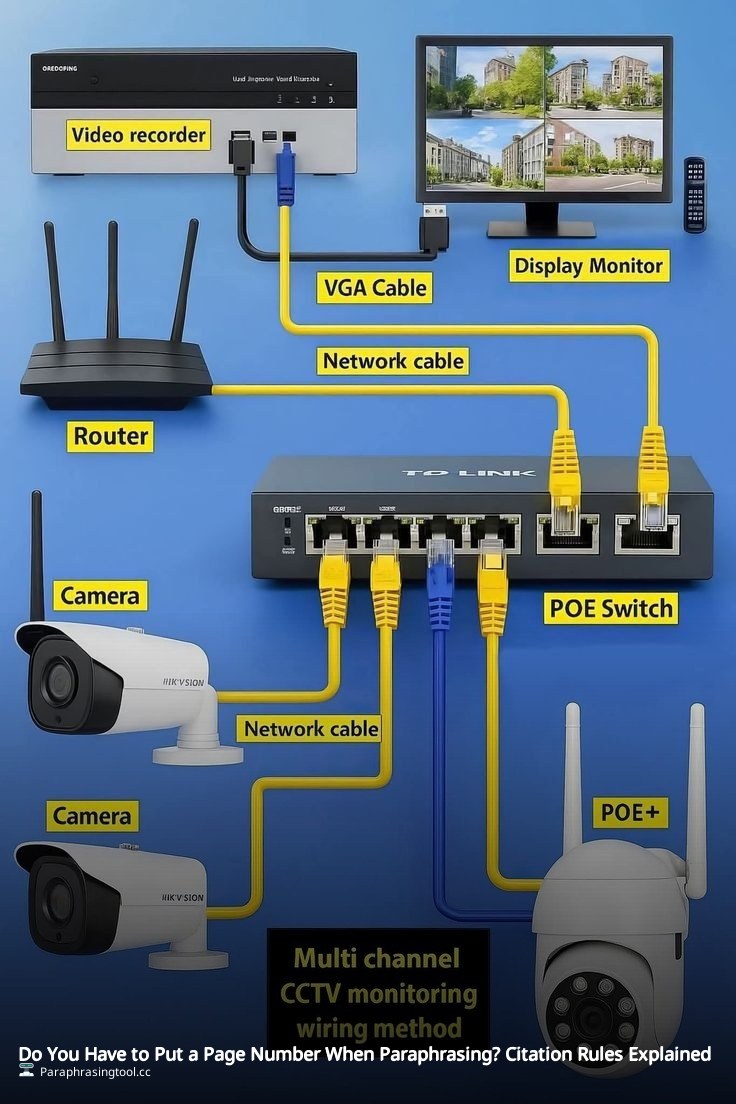
In academic writing, the question “do you have to put a page number when paraphrasing” arises frequently among students and researchers. Paraphrasing involves rephrasing source material in one’s own words while retaining the original meaning, and proper citation ensures academic integrity. This query stems from confusion over citation styles like APA, MLA, and Chicago, where […]

When individuals search for what is the paraphrasing, they typically seek a clear explanation of a fundamental writing and communication technique. Paraphrasing involves rephrasing existing text or ideas in one’s own words while preserving the original meaning. This skill holds relevance across academic, professional, and creative contexts, aiding in clarity, originality, and ethical content use. […]
Put what you've read into practice
Try our free AI paraphrasing tool — no sign-up, no word limits.