 Paraphrasing
A photo essay combines visual storytelling with minimal text to convey a narrative or theme. Searches for "how to write photo essay" often come from photographers, journalists, students, and bloggers seeking structured methods to create compelling visual series. This format holds relevance in digital media, journalism, education, and personal portfolios, as it leverages images' emotional impact to engage audiences more effectively than text alone.
What Is a Photo Essay?
A photo essay is a cohesive sequence of photographs designed to tell a story, explore a theme, or document a subject. It relies primarily on images, with captions or brief text providing context. Unlike single photographs or articles, it unfolds across multiple visuals to build narrative progression.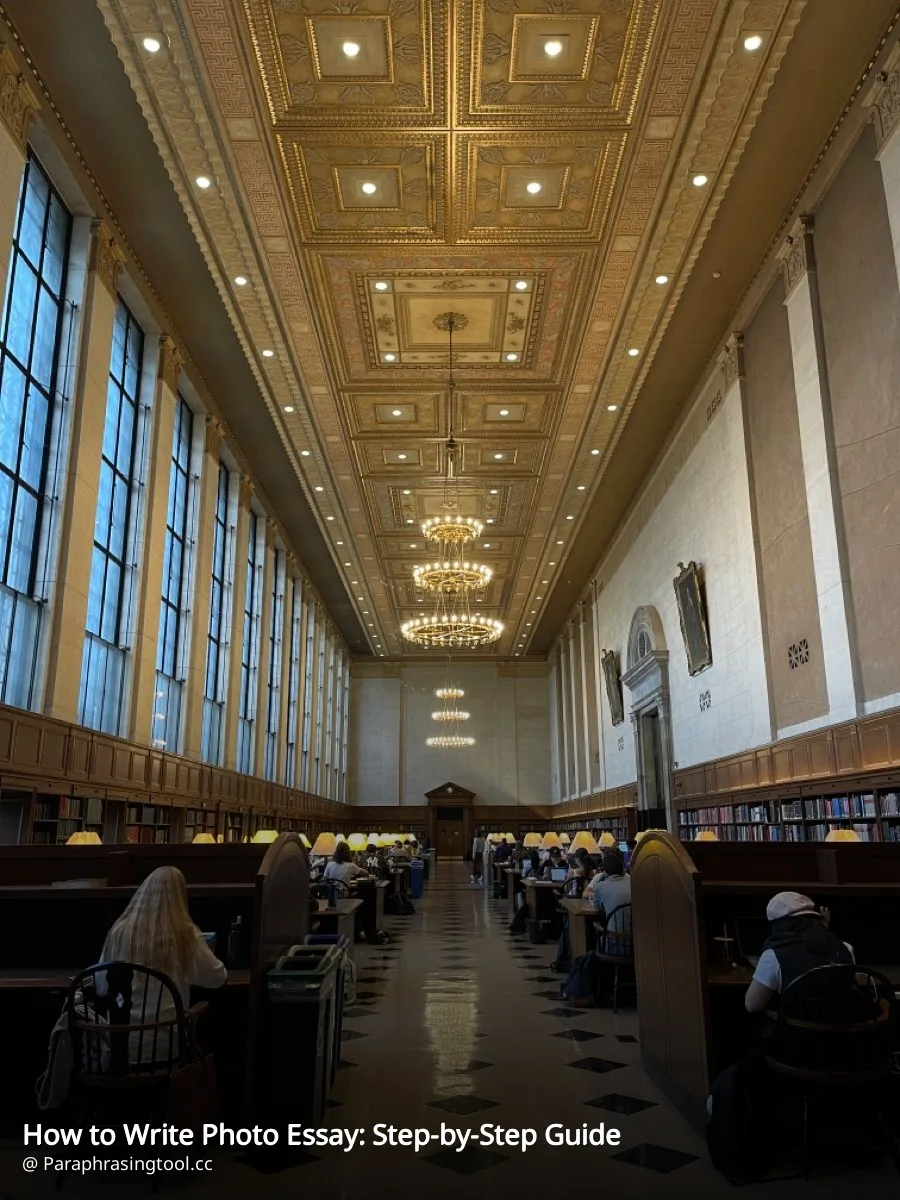
The structure typically includes an introduction image to set the scene, supporting shots that develop the story, and a concluding photo that resolves or emphasizes the message. Historical examples include works by photographers like W. Eugene Smith, who used sequences to highlight social issues. Modern applications appear in magazines, online galleries, and social media.
How Does a Photo Essay Work?
A photo essay functions through visual sequencing, where each image contributes to an overall arc: beginning, middle, and end. The photographer selects shots that guide the viewer's eye and emotions logically, much like chapters in a book.
Key mechanics involve composition variety—wide shots for context, close-ups for detail—and consistent style, such as lighting or color palette. Captions add factual or interpretive layers without overwhelming the visuals. Viewers interpret the essay by scanning sequentially, absorbing the cumulative impact.
Why Is a Photo Essay Important?
Photo essays distill complex topics into accessible visuals, fostering empathy and understanding. They excel in advocacy, as images evoke stronger responses than statistics, making them vital for journalism and activism.
In education, they teach narrative skills and visual literacy. For professionals, they enhance portfolios, demonstrating editing and storytelling abilities. Their importance grows in visual-heavy platforms like Instagram, where concise, impactful content drives engagement.
What Are the Key Steps to Write a Photo Essay?
To write a photo essay, begin with defining a focused theme, such as a community's daily life or environmental change. Research the subject thoroughly to identify angles and access points.
Next, plan the shoot: outline 10-20 images covering introduction, development, climax, and resolution. Capture diverse shots during multiple sessions for options. Edit ruthlessly—select the strongest sequence that flows narratively.
Write concise captions (one sentence per image) providing context or quotes. Arrange in a logical order, testing for pacing. Finally, refine layout for print or digital, ensuring white space enhances focus. Searches for "how to write photo essay" highlight this process as essential for beginners.
Step-by-step breakdown:
- Theme selection:Narrow to specifics, e.g., "urban farming in a city."
- Shooting:Use rule of thirds, vary perspectives.
- Editing:Eliminate redundancies; aim for emotional arc.
- Captioning:Keep objective and supportive.
- Publishing:Test on audiences for clarity.
What Are Key Differences Between a Photo Essay and Other Formats?
A photo essay differs from a photo series by its narrative intent—series may lack story cohesion, while essays build progression. Compared to photojournalism, essays allow artistic interpretation over strict news reporting.
Versus slideshows, photo essays emphasize static sequences for deliberate viewing. Albums on social media scatter images without curation, lacking the essay's thematic unity. Understanding these distinctions aids in choosing the right format.
Need to paraphrase text from this article?Try our free AI paraphrasing tool — 8 modes, no sign-up.
✨ Paraphrase NowWhen Should You Use a Photo Essay?
Employ a photo essay for topics rich in visual drama, like cultural events, personal journeys, or social issues, where words alone fall short. It suits long-form platforms such as magazines or websites needing depth.
Avoid it for fast-breaking news better served by single images. Ideal scenarios include student assignments, exhibitions, or blogs exploring human experiences. Timing matters: shoot during optimal light and plan for post-production time.
Common Misunderstandings About Photo Essays
A frequent error is assuming more photos equal better impact; quality sequencing trumps quantity. Another misconception views captions as optional—effective ones anchor the narrative without dominating.
Beginners often neglect editing, resulting in disjointed flows. Photo essays are not collages; they require journalistic ethics, like consent and accuracy. Clarifying these prevents weak outcomes.
Advantages and Limitations of Photo Essays
Advantages include high engagement through visuals, versatility across mediums, and skill-building in curation. They convey nuance emotionally, transcending language barriers.
Limitations involve time-intensive production, dependency on photography skills, and potential bias in subjective selection. Digital compression can degrade quality, and not all subjects photograph well.
Related Concepts to Understand
Visual storytelling underpins photo essays, linking to concepts like the hero's journey applied to images. Photo editing software aids sequencing, while documentary photography provides foundational techniques.
Narrative arcs—exposition, rising action, climax, resolution—mirror essay structure. Studying these enhances creation proficiency.
In summary, mastering how to write photo essay involves thematic focus, meticulous shooting, editing, and captioning to craft narratives that resonate. This approach builds visual communication skills applicable across fields. Practice refines judgment in selection and pacing, ensuring impactful results.
People Also Ask
What makes a good photo essay?A strong photo essay features a clear theme, varied compositions, emotional progression, and succinct captions that complement without overshadowing images.
How many photos are in a photo essay?Typically 10-20 images suffice, allowing narrative depth without viewer fatigue; adjust based on medium and complexity.
Can anyone create a photo essay?Yes, with basic photography knowledge and editing tools; success relies on observation, patience, and storytelling intent rather than professional gear.