 Paraphrasing
The query "is paraphrasing okay in academic paers" reflects a common concern for students, researchers, and writers navigating academic integrity. Paraphrasing means rephrasing someone else's ideas or information in your own words while retaining the original meaning. This technique is widely used in scholarly work to incorporate external sources effectively. People search for this topic to understand plagiarism risks, citation requirements, and ethical standards in academic papers. Addressing it properly ensures original contributions without misconduct.
Is Paraphrasing Okay in Academic Paers?
Yes, paraphrasing is okay in academic paers when done correctly with proper attribution. Academic institutions and style guides like APA, MLA, and Chicago endorse it as a legitimate way to integrate source material. The key is citing the original author to avoid plagiarism, which occurs when ideas are presented as one's own without credit.
Unlike copying text verbatim, paraphrasing demonstrates comprehension and synthesis. For instance, if a source states, "Climate change accelerates biodiversity loss," a paraphrase might read, "Global warming hastens the decline of species diversity," followed by a citation. Failure to cite turns acceptable practice into academic dishonesty.
What Is Paraphrasing?
Paraphrasing is the process of restating information from a source using different words and structure while preserving the core idea. It requires deep understanding of the original text, not mere word substitution. This method allows writers to adapt complex ideas to their paper's voice and flow.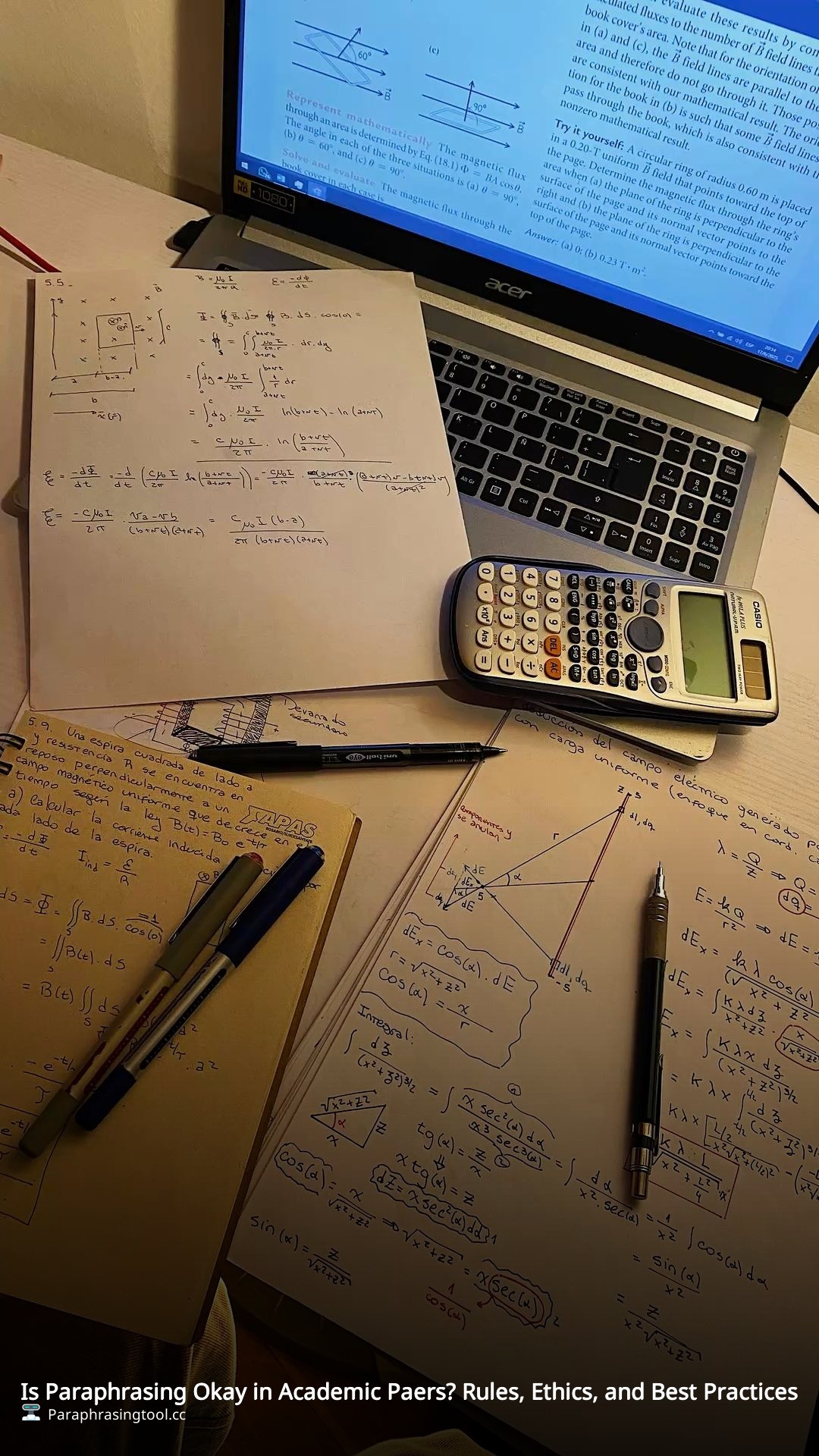
Effective paraphrasing goes beyond synonyms; it involves reorganizing sentences and emphasizing relevant aspects. Tools like thesauruses aid but cannot replace critical thinking. Universities emphasize it as a skill for developing analytical writing.
How Does Paraphrasing Work in Academic Papers?
Paraphrasing works by first reading the source thoroughly, noting key points, then closing the source and rewriting from memory. Verify accuracy against the original afterward, ensuring changes are substantial. Always include an in-text citation and full reference.
Consider this process: Identify the main argument, translate it into your terminology, and integrate seamlessly. For example, original: "Urbanization leads to habitat fragmentation." Paraphrase: "City expansion fragments natural habitats." This maintains fidelity while varying expression. Practice builds proficiency, reducing reliance on direct quotes.
Why Is Paraphrasing Important in Academic Writing?
Paraphrasing is important because it promotes originality, shows mastery of the subject, and avoids over-quoting, which can make papers seem unoriginal. It enables synthesis of multiple sources into cohesive arguments, a hallmark of scholarly work.
Additionally, it enhances readability and adapts dense source material for broader audiences. Ethical use upholds academic honesty, fostering trust in research. Institutions penalize poor practices, but skilled paraphrasing elevates paper quality and author credibility.
What Are the Key Differences Between Paraphrasing, Quoting, and Summarizing?
Paraphrasing rewords specific ideas at similar length; quoting copies exact words in quotation marks; summarizing condenses broader content to main points. Each serves distinct purposes: quotes for precision or authority, summaries for overviews, paraphrasing for integration.
Key distinctions include fidelity to length and wording. Quoting requires minimal alteration; paraphrasing demands full rephrasing; summarizing shortens significantly. Example: Original paragraph of 100 words—quote selects sentences, paraphrase matches length with new words, summary captures essence in 20 words. Choosing correctly depends on context and emphasis.
Need to paraphrase text from this article?Try our free AI paraphrasing tool — 8 modes, no sign-up.
✨ Paraphrase NowWhen Should Paraphrasing Be Used in Academic Papers?
Use paraphrasing when explaining concepts in your own voice, supporting arguments with evidence, or bridging sources. It suits most body paragraphs where direct language feels disruptive. Reserve quotes for unique phrasing, statistics, or definitions.
Avoid it for highly technical terms needing exact reproduction or when brevity demands summary. In literature reviews or theoretical discussions, it excels for weaving diverse viewpoints. Balance with quotes (under 10-20% of text) to maintain flow.
Common Misunderstandings About Paraphrasing
A frequent misunderstanding is that changing a few words constitutes paraphrasing; true paraphrasing requires comprehensive reworking. Another error assumes no citation is needed if words change—this is plagiarism.
Some believe paraphrasing is always inferior to quoting; in reality, over-quoting signals weak analysis. Confusion also arises with patchwriting, blending source and original text inadequately. Awareness of these pitfalls ensures ethical application.
Best Practices and Limitations of Paraphrasing
Best practices include reading multiple times, writing without viewing the source, comparing for accuracy, and citing meticulously. Use active voice for engagement and vary sentence structures. Limitations involve risk of altering meaning unintentionally or struggling with nuanced ideas, where quoting may be safer.
Software detectors flag poor paraphrases as similarity, so prioritize manual effort. In fields like law or medicine, precision often favors quotes. Mastering these balances strengths against constraints.
Conclusion
In summary, "is paraphrasing okay in academic paers" has a clear affirmative answer: yes, with proper citation and technique. It supports intellectual engagement, originality, and ethical scholarship. Understanding differences from quoting and summarizing, avoiding common errors, and applying best practices enable effective use. Students benefit from practicing this skill to produce robust, credible papers.
People Also Ask
Does paraphrasing count as plagiarism?No, if cited correctly; yes, without attribution, even in your own words.
How do I cite a paraphrase?Use in-text citations like (Author, Year) in APA, followed by full reference list entry.
Can AI help with paraphrasing?AI can suggest rephrasings, but verify accuracy and always cite originals manually to ensure integrity.